
Seven Bat Facts You Probably Didn’t Know
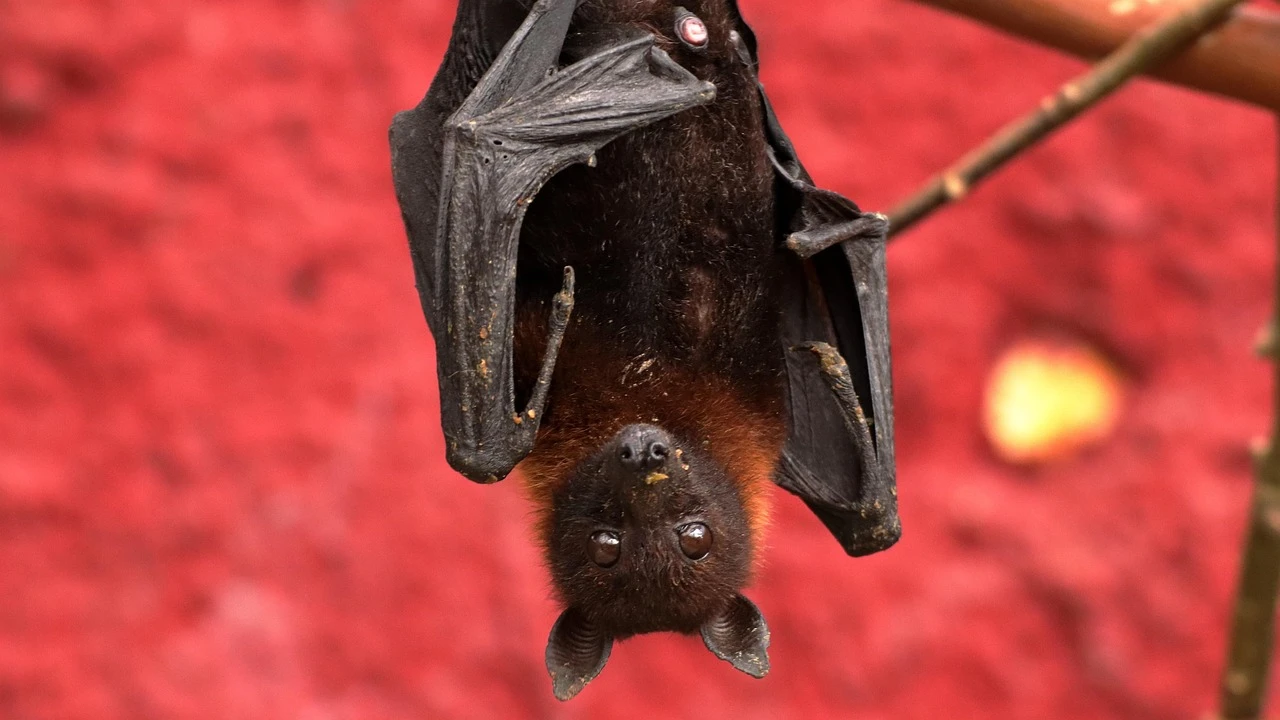
Did you know that there are over 1,400 species of bats across the world? This is just 1 of many cool bat facts. Almost everywhere across the globe, you can find bats except for the polar areas where it is freezing year-round and uninhabitable. Bats can range in size from the “bumblebee bat” that weighs less than a penny, making it the smallest mammal in the world to the flying fox bat that has a wingspan of up to six feet! Although the most common bat found in North America is the little brown bat.
Fact #1: Some Bats Don’t Hibernate
Even though bats are known as one of the most common hibernators, not all bats spend the winter hibernating. One species of bats that don’t hibernate is the Mexican Free-tailed bat. These bats migrate to Mexico during the cold months when food becomes scarce, and the weather becomes too cold for them to stay where they are. In contrast, other types of bats seek a place to hibernate and take their nap for the winter. In the US, the most common bat is the little brown bat, and with this species, when it begins to get cold in the northern part of the country, the male bats migrate south to caves and warmer areas, but the female bats stay and find a place to hibernate.
Fact #2: The Biggest Threat to Bats are Diseases
While animals like owls, snakes, and hawks eat bats, they are nothing compared to the damages diseases do to the bat population. White-Nose Syndrome is one of the deadliest diseases to kill bats. An estimated 6.7 million bats have died since an outbreak of the disease in 2006. This disease is so toxic because it is spread by touch. And one thing about bats is that they colonize and congregate extremely close together, making this disease powerfully contagious and rapidly spread. This disease usually kills about 70 to 90 percent of the colonies. In some cases, the mortality rate has been 100%, wiping out entire colonies. Conservation efforts have helped the bat population increase again, but they are still continually fighting off this disease.
Fact #3: Bats Help With Pollination
If it weren’t for bats, some plants and even some fruits wouldn’t last. Hundreds of plants depend on bats spreading it pollen so it can grow and expand. 300+ fruits rely on bats to cover, including bananas, avocados, and even mangos. Just like hummingbirds, the lesser long-nosed bats that live in the regions of these fruits can sit and hover at flowers or fruits and stick its 3-inch tongue to feed on nectar and getting pollen on it during this process.
Fact #4: Bats Only Need an Opening the Size of a Dime
Out of all the bat facts we go over, this one shows just how crafty these creatures are. This is because of how small of areas they can get through. Bats have very little bone structure in their body. They have a way of stretching and moving their bodies in specific ways that make them able to get into places you would think impossible. Bats have proven time after time that they only need an opening the size of a dime to enter an area.
The ability to squeeze their way through small openings is also why people will find them in their basement when their central roosting place is in the attic. They will squeeze and crawl through the wall cavities looking for a warm place to rest and will find themselves in the basement. Since they can sneak in homes so easily, it also makes it hard to keep them out. You often need to call a professional bat removal company to help you completely seal your home off to the critters.
Fact #5: Bats are One of a kind
While flying squirrels can glide in the air for short distances, bats are the only mammals that are real fliers. For the bats that migrate for hibernation, they can fly thousands of miles to find their new cave or home for the winter. Then when winter is over, they will fly thousands of miles back to the spot they came from. There have been times where a bat has been clocked flying at speeds of 70-100mph.
Fact #6: Bats Don’t Need Light
Bats have no issue finding their food in total darkness. Bats don’t rely on eyesight to find food or to get their way around. Even though their feeding time is at night, bats don’t mind not seeing because they use echolocation to navigate and find food.
Fact #7: An Impressive Hunger
When people say that bats are good for the ecosystem and help with the mosquito problem, they are telling the truth. Bats can eat up to their own body weight. They can eat 1,200 mosquitos in one hour and 6,000-8,000 in one night. But mosquitos are not the only insects on the menu for bats; beetles, moths, and grasshoppers are all on the menu.
Top Bat Habits You Should Know | Alpha Bat Removal
Before we dive into some primary bat habits, it’s important to note that they are a nocturnal species. This means they sleep during the day and are most active at night. These creatures love habits and repeat what they do over and over every day.
Bats Nighttime Habits and Routine
What is the life of a bat at night like? Nighttime means feeding time for bats. Mosquitos are the favorite item on the menu for bats. A single bat can eat up to 1,200 mosquitos every hour and up to 6,000-8,000 every night. This nocturnal mammal also eats grasshoppers, crickets, beetles, flies, etc.– pretty much any insect makes their food of choice list.
The number of insects that they eat gives you an idea of why they leave such a mess behind when they roost in the attic of a home. With the amount of food they consume each night, they have to digest and release the food constantly to be able to keep their metabolism running.
Not what bats drink is interesting, but how they drink. Since bats cannot fly when their wings are wet and with them not being proficient swimmers, drinking water can be a very dangerous and risky task for bats. These issues lead to many bats dying and drowning in the attempt to drink water. How bats get to their drinking source makes the quest even more dangerous. Bats swoop down with their bottom jaw open and scoop the water into their mouths and then fly away. If the bat makes one wrong move or hits one wave, it will end up in the water. Once this happens they typically drown or die of exhaustion from trying to swim and stay afloat for a long period of time.
All night, bats eat insects and dive for water. While their nighttime routine seems a little chaotic and busy, their daytime routine is a lot calmer.
Daytime Bat Habits
A bat’s daytime is more like a human’s night time. Daytime is all about relaxing! It’s time to calm down and rest up after a busy night of feeding and flying. Every day, bats retreat to their sleeping spot, however, they don’t usually rest alone.
When you find one bat, you usually find more. Depending on the space and environment they are living in, bats will live in colonies of 10 to 5000. Predators are always lurking, which is why bats choose to sleep in large numbers. This is also why they sleep upside down, to stay warm, and protect themselves. A colony, all sleeping near one another, is another reason why they can create such a mess in the attic of a home.
When a bat begins to roost during the day it will usually stay in that same spot unless it is disrupted by something else—which is the reason that bat guano buildup is usually in piles due to them being so close to each other and constantly releasing guano. The piles of guano can become very large. When the piles of urine and feces become too large, they can be harmful. When bat guano gets clumped together in big piles it compacts and creates spores. When those spores are broken they release toxic fumes into the air and if breathed in, it can become very deadly. Breathing in harmful fumes creates a disease call histoplasmosis. It is a respiratory disease with the main symptoms of fever and respiratory discomfort.
So as stated off the top, bats are creatures of habit. They typically don’t change their routine and won’t do a lot of other things than the activities listed here.
When and Where do Bats Sleep | Bat Habits
When you see bats flying at night, some people wonder, “when and where do bats sleep?” Some people may also wonder if they sleep at all! These are very good questions and ones we get asked all the time. There is so much that we are all still learning about bats, and not every bat is the same; there are multiple different bat species.
Bats Are Nocturnal
Bats are nocturnal which means they are active at night time. Bats will usually leave their daytime roosts at dusk. Bats love to sleep in trees, rock crevices, caves, and buildings – just about any place they can fit that’s dark. The darker and quieter the area is, the better it is for the bats.
When They Aren’t Sleeping…
When they do leave their roosts, bats will fly to a stream, pond or anywhere they can find water so they can dip their lower jaw into the water while still in flight and take a drink of water. This is normally one of the first things they do because they are rather thirsty and hungry as well. One bat species we know, the little brown bat emerges from their dark roosts two to three hours after dusk to feed. When they are done eating, bats will return to their roosts to sleep out the rest of the night and day hanging upside down.
A Consistent Routine
When it comes to bats, they are very much creatures of habit. They roost together in the same place year after year. And another thing you can count on is that bats will leave guano droppings on the entrance of their roost area every night as well. The only time that bats will not come back to their roosting spot is if it has been closed up, and they do not have access to it anymore or if there are predators that could get to them.
For the most part, bats are most active between the hours of dusk to dawn. As night time starts to approach, bats begin to increase their activity. They will start flying around their cave and then leave in search of food and water. When they are ready to start to feed they will typically feed for about an hour or two and then they will rest for a little bit before they will go back and feed again before daybreak. You might be wondering– when do bats go to roost? You most likely will catch a glimpse of bats leaving and returning to their roosts in the early mornings and around sunset. The daytime is usually spent inside a secluded shelter resting by hanging upside down, grooming, sleeping, and just talking with one another using sounds.
How They Sleep
When bats are ready to go to sleep, they are famous for hanging upside down. If we humans tried that, obviously we would fall on our heads. But for bats this adaption allows them to huddle closely together for protection against cold weather and predators. It enables individual bats to expend less energy when taking flight. Specially evolved feet lock onto an overhead surface and keep the bat in place without requiring any effort on their part. When bats wake up and are ready to take off, they simply drop into the air. Bats love to sleep in caves or anywhere that is dark and cool. Many bats share a sleeping location or roost with thousands or even millions of other bats. Can you imagine sharing your home where you sleep with that many people in one area? That would just be crazy!
Always Upside Down
It may seem odd, but bats roost or perch upside down for several reasons. Unlike birds, bats cannot launch their bodies into the air from the ground because their wings don’t produce enough lift to take off like a helicopter. If they could get a running start that would help them out, but because they are not able to run to gain enough speed for lift-off. Bats are left with no choice but to use their claws to climb to a high spot and let go so they can fall into flight. If for some reason a bat needs to escape quickly, hanging upside-down means they are already in the perfect position to spread their wings and fly away in case of danger when they are sleeping.
Seeing a Bat During the Day
As nocturnal animals, bats are rarely seen outside during the daytime. If a bat is away from its nest there is a greater likelihood that it is ill and should be avoided. Sick bats are likely to act abnormally. They may be unable to fly or might be lying on the ground as if injured. White nose syndrome is a specific illness that bats can contract. What exactly is that? It’s a fungus that can grow on the bat’s face and wings. It will slowly start to kill the bats when they have this type of fungus. It is starting to kill off more bats then they can keep up with, and it is one of the reasons as to why bats are starting to become extinct as well.
Bat Removal
When you see a bat roosting during the day it just wants to hang out with its colony and does not want to be bothered. Most of the time a bat does not want to come into your home but if for some reason it does, normally it’s just trying to find a warm place to hang out at and start its hibernation. Once spring comes bats will wake up and leave so they can find some food to build their energy back up and get healthy enough to be able to take care of the pups or babies that are in the colony.
As we’ve said, bats want a dark cool place to sleep. They are extremely sensitive to the cold weather though so it can’t be too cold! That’s why you typically only see them out and about during the spring and summer months. If you have a bat in your home during the winter, the best thing to do is to call someone specialized to remove the bat without harming it. Depending on where the bat is located, you might not be able to get it removed until spring when it is safe to let it outside. Any bat removal professional will be able to evaluate the situation and safely get rid of the bat or find where it came from.